
Not a Plan
Every year, the federal government releases a budget proposal. The newspapers cover it like a weather report: numbers, percentages, projected deficits. Most people turn the page. That’s exactly what the people who write these budgets are counting on.
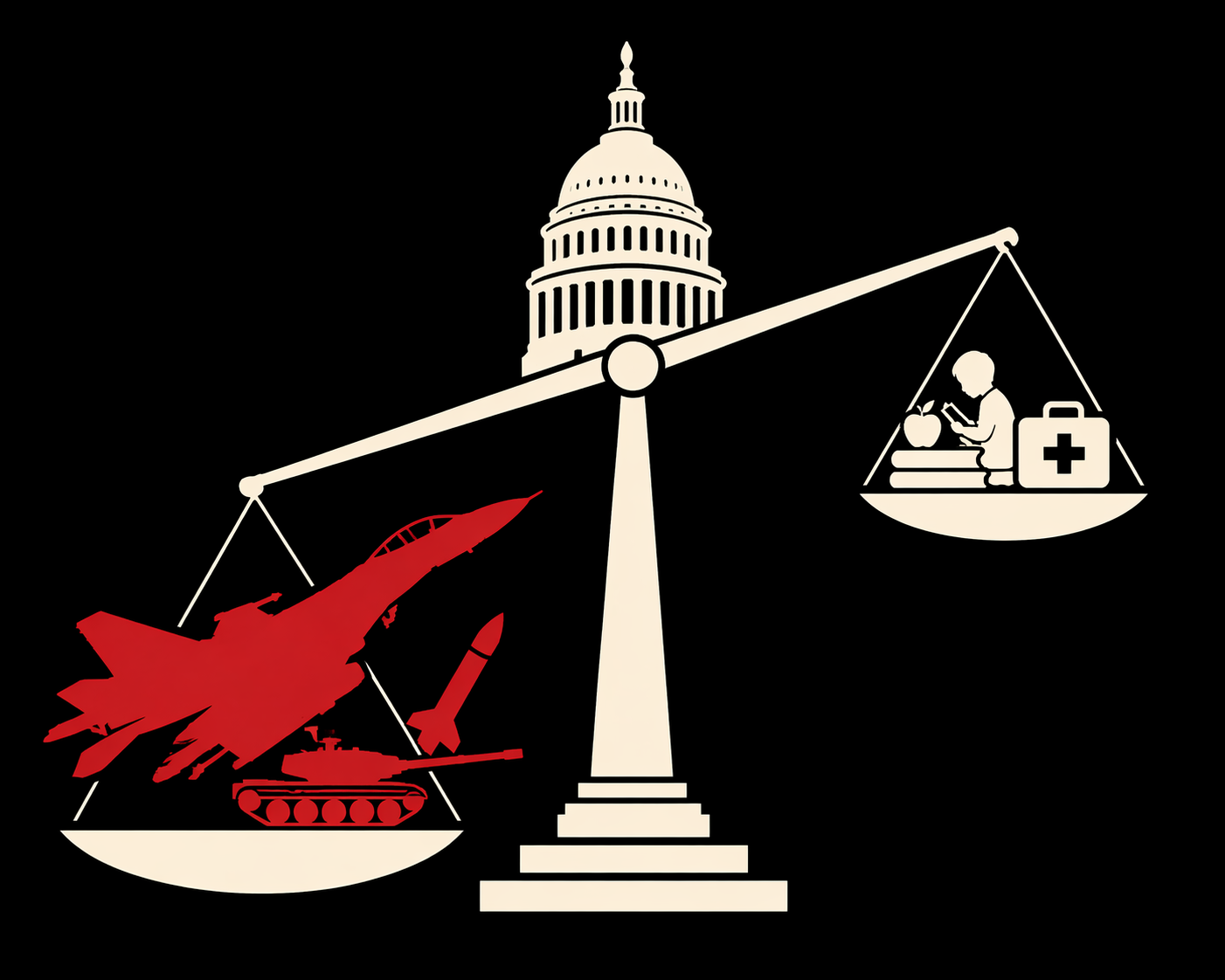
This year, the Trump administration asked Congress to approve roughly $1.5 trillion for defense. Not for roads. Not for hospitals. Not for the schools your grandchildren sit in. For defense. That number represents a 40 percent increase over what the Pentagon spent in fiscal year 2026. Forty percent. In one year. During a period when the declared enemies of the United States are, by most military assessments, not materially stronger than they were twelve months ago.
To pay for it, the administration proposed cutting approximately $73 billion from domestic programs. Health. Housing. Agriculture. Education. The things a government builds when it believes its people are worth something.
Read that twice. Not because it’s complicated. Because it’s the whole story.
A budget is not a financial document. It is a moral document. It tells you, with the precision of arithmetic, what the people in power actually believe. Not what they say at rallies. Not what they post. What they believe. Because belief, real belief, shows up in what you’re willing to pay for and what you’re willing to let go.