Written Saturday, April 18, 2026
Trump declared victory Friday. Iran's foreign minister had announced that the Strait of Hormuz was fully open. Oil dropped twelve percent. Trump posted on Truth Social that Iran had agreed never to close the strait again. A great and brilliant day for the world, he said.
It lasted less than twenty-four hours. By Saturday morning Iran was broadcasting to ships that the strait was closed. Ship owners reported gunfire in the waterway. Tehran cited the continuing United States blockade of Iranian ports. A setback, everyone agreed. A terrible shame. The president stood ready, as always, to solve it.
Nobody was asking how the strait came to need solving.
The strait was open in February. Commercial traffic moved through it every day, as it had for decades. On February 28 the United States and Israel launched surprise airstrikes on Iran and assassinated its Supreme Leader. Iran closed the strait four days later. Six weeks after that, with the Islamabad talks collapsed, Trump ordered the blockade. The blockade is what keeps the strait closed. Friday's brief opening came with the Israel-Lebanon ceasefire, not with anything Trump negotiated. Saturday's closure is Iran's answer to the blockade Trump is still enforcing. Somehow this has become a problem the president must now heroically solve.
The nuclear program works the same way. In 2015 the deal capped Iran's enrichment, put inspectors on the ground, pushed any breakout past a year. Trump walked out of the deal in 2018 because it was the worst deal ever made. Iran restarted the centrifuges. The inspectors left. The program he unlocked then expanded for eight years. Now he is bombing facilities that would not exist in their present form if he had left the deal alone. Thank god the world has a leader willing to take on the nuclear Iran he spent eight years building.
PBS fact-checked the war last week. Iran still has its stockpile of highly enriched uranium, buried in rubble but intact. Iran has set itself up as gatekeeper of the strait in a way it never was before, charging over a million dollars a ship in tolls on the vessels it lets through. The region was safer before the war. Oil was cheaper. Shipping was faster. All of that is now a crisis the president is bravely working to resolve.
Tariffs, same. He signs them. Markets fall. Supply chains jam. Farmers go under. Months later he lifts part of them and calls it a historic deal. The historic deal returns ninety cents on the dollar he took. A grateful nation is expected to applaud.
Ukraine, same. He cut off the support. The lines collapsed. Europe was freeloading, he explained, which is why the country they were helping was now losing. The peace plan he has since offered hands Putin most of what he wanted on day one, and only a statesman could have pulled that off.
NATO, same. He threatened to withdraw until the allies panicked. He accepted commitments they were going to make anyway. He announced that he alone had saved the alliance from the irrelevance he alone had been threatening. The applause line wrote itself.
The federal workforce, same. He fired everyone. The air traffic controllers walked out. The meat inspectors went home. Then he rehired the ones you cannot run a country without, and called it streamlining.
Somewhere there is supposed to be an explanation for all of this. An ideology. A theory of government. A plan. The press keeps looking for one. They keep coming up empty.
An explanation exists. It just is not the one they are trained to find.
In the minutes and hours before Trump rattles a market, somebody always seems to know. Last April, a few hours before he announced the tariff pause that sent the S&P up nine percent in an afternoon, the biggest single-day jump in nearly twenty years, he posted on Truth Social, "THIS IS A GREAT TIME TO BUY." Somebody bought. In the minutes before he posted about productive Iran talks in March, the Financial Times counted roughly five hundred and eighty million dollars in oil futures bets lined up the right direction. Before his March 23 threat to strike Iranian power plants, the oil positions showed up again, the right size, the right timing. In the weeks before the United States hit Iran in February, a Morgan Stanley broker connected to Pete Hegseth tried to move millions into a defense-industry exchange-traded fund.
The Commodity Futures Trading Commission is now investigating the oil trades tied to the Iran pivots. Senators Warner and Schiff have asked the Securities and Exchange Commission to investigate the rest. House Democrats have written similar letters. The White House calls the reporting baseless. The trades keep clearing.
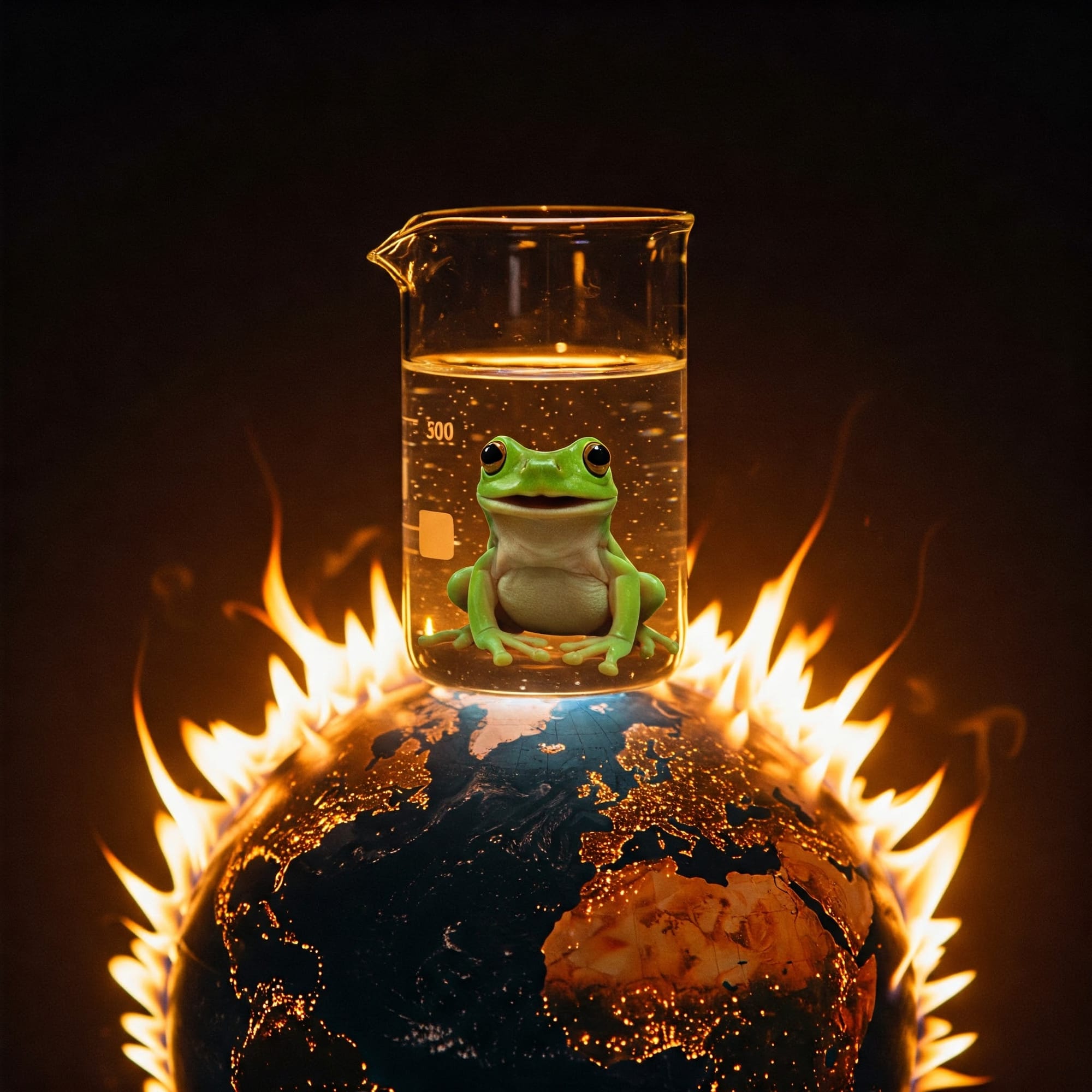
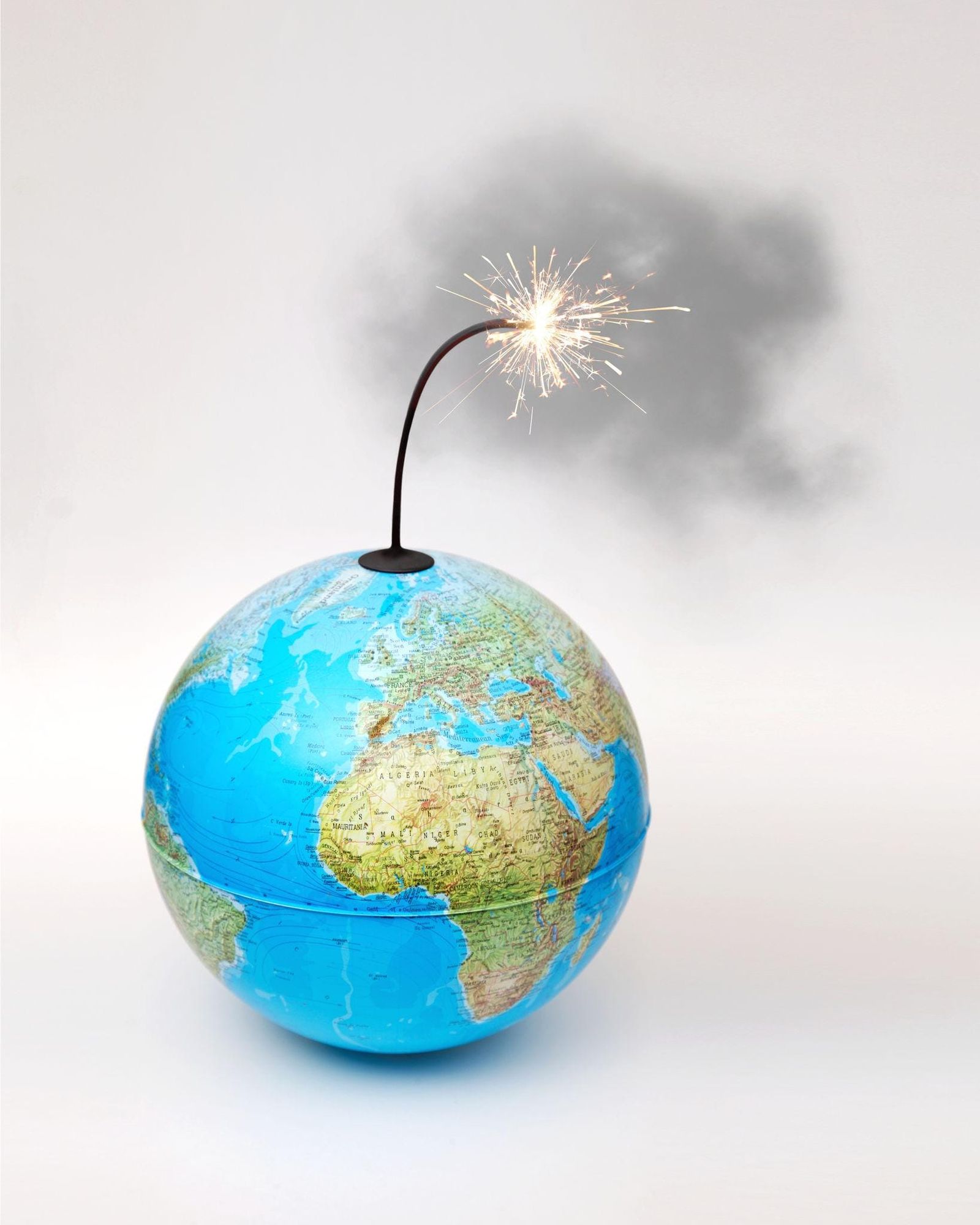
Here is the theory the press cannot quite bring itself to name. Every crisis has a beneficiary. Random chaos scatters profits. These profits cluster. The beneficiary knows in advance. In this administration, the beneficiary is the administration. The emergencies are not the side effect of bad policy. They are the policy. The chaos moves the markets. He breaks the thing and shorts the market on the way down. He fixes the thing and longs the market on the way back up. Somebody places the trade. Everybody else pays the bill, both times.
This is the job now. Not governing. Not winning. Not even lying, in the old-fashioned sense. The job is producing the emergencies he then claims to end, because the emergencies pay. Worse is the business. It produces the begging phone calls from foreign leaders, the Truth Social posts where he graciously accepts, the rallies where the faithful roar because the arsonist has shown up with a garden hose, and the trades that clear before the market catches on.
The Republican Party has rehearsed the choreography until it is muscle memory. Democrats mumble about norms. The press treats each episode as fresh news, unconnected to the last one. The connection is the whole story, and nobody is telling it.
The Strait of Hormuz is closed again. Ships are turning back. Oil is climbing. The president is writing his next Truth Social post, and it will explain, in tones of deep concern, what must now be done about the crisis.
He is the only one who can fix it.
He broke it. He profits at both ends.